AI, NLP, and Computer Science Careers
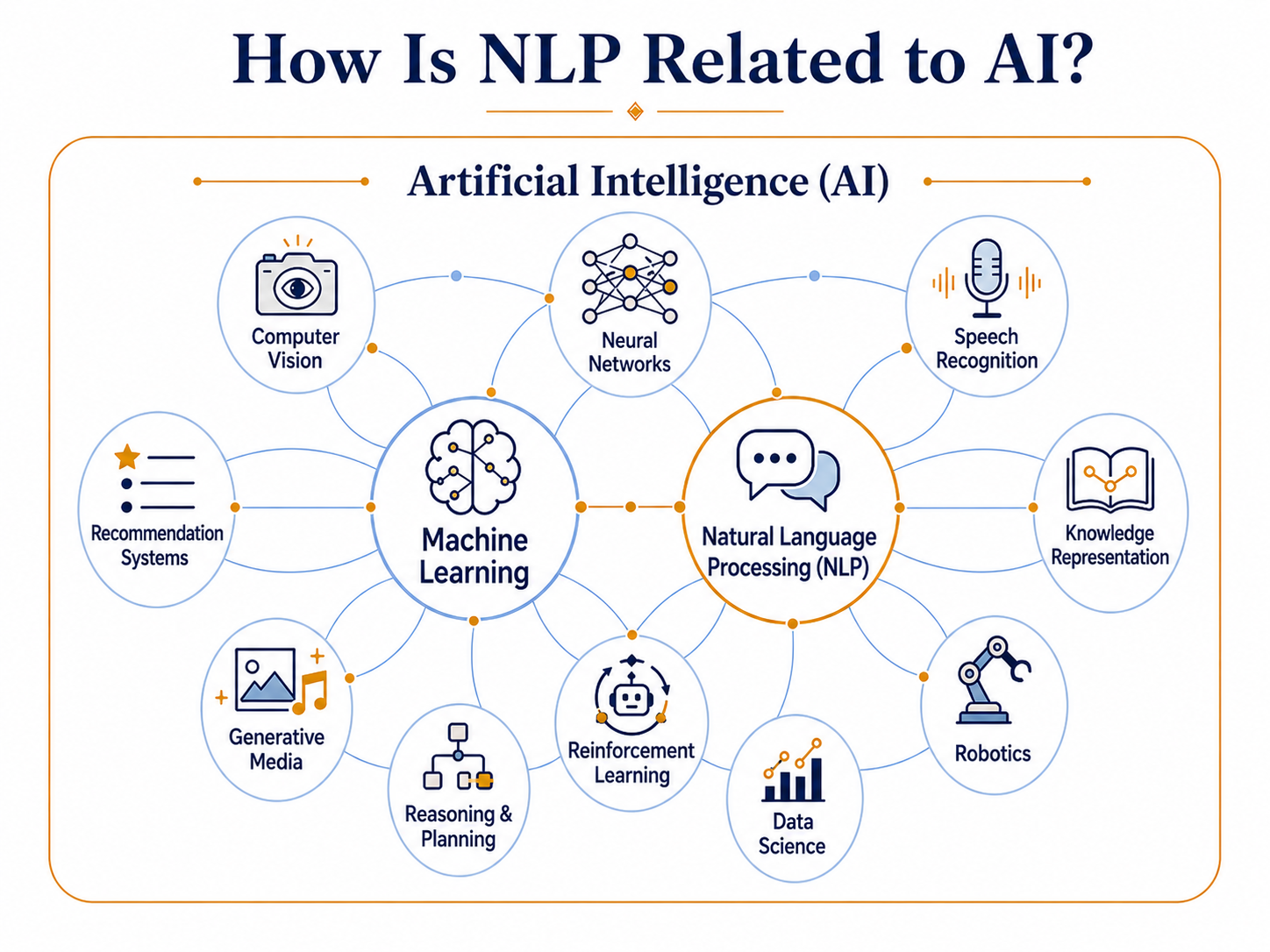
One of the questions students are asking right now is also one of the most reasonable.
Should I still study computer science if AI can write code?
I recently wrote a piece for CU Boulder Online about that question, with a focus on artificial intelligence, natural language processing, large language models, and the future of computer science careers.
The short version is that computer science is not disappearing.
The work is changing.
Natural language processing used to feel like a specialized area of artificial intelligence. Now it shows up in chatbots, search engines, coding assistants, summarization tools, translation systems, tutoring tools, workplace automation, and everyday software.
That shift changes what students need to learn.
It does not remove the need for strong foundations. Students still need programming, algorithms, data structures, databases, systems, software engineering, and mathematical reasoning. They also need enough AI literacy to use tools carefully, evaluate outputs, understand limits, and connect technical systems to real problems.
That is especially relevant for post-baccalaureate students. Many students in CU Boulder’s Applied Computer Science Post-Baccalaureate program already bring knowledge from another field. In an AI-shaped software world, that earlier experience can become part of their technical strength.
You can read the full CU Boulder Online article here:
AI, Natural Language Processing and the Future of Computer Science Careers
Related Articles
If you are thinking about computer science careers, AI, NLP, and what students should be learning now, these pieces connect closely to this discussion.
-
Will AI Replace Software Engineers? The Mistake Behind the Hype
A look at why code generation is not the same thing as software engineering, and why architecture, testing, security, and judgment still count. -
Computer Science Jobs in 2026: Are Software Engineer Job Postings Rising Again?
A data-driven look at software engineering jobs in 2026, whether postings are beginning to recover, and what AI skill demand means for students. -
CU Boulder CSPB Alumni Outcomes
A LinkedIn-based look at CSPB alumni roles, industries, employers, and geography. -
CSPB Career Changers: How Alumni Move Into Computing
A closer look at prior degrees, previous fields, first technical roles, and career movement among CSPB alumni. -
Career Change into Computer Science
A practical look at what it takes to move into software and build a strong foundation in the field.